
Termite Extermination in Phoenix: Signs & Solutions
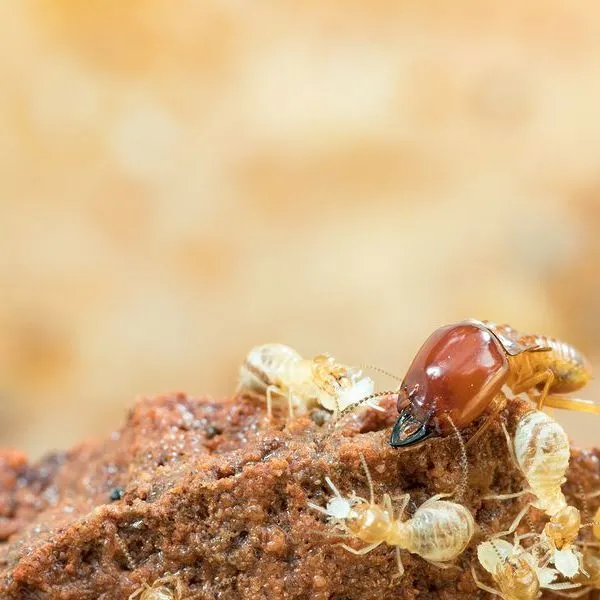
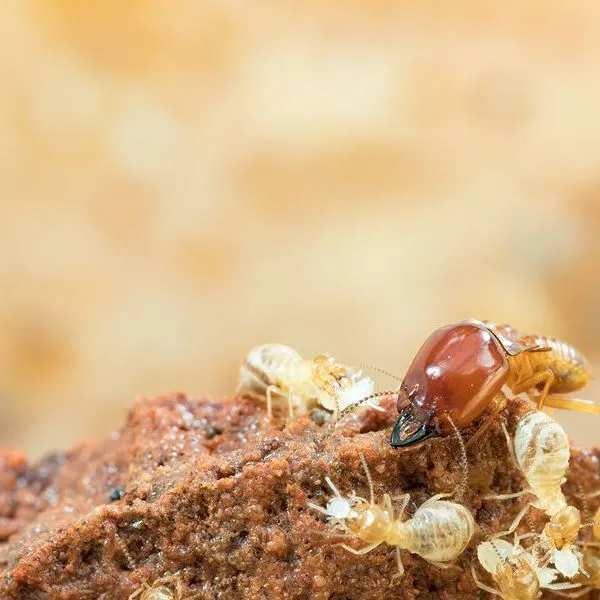
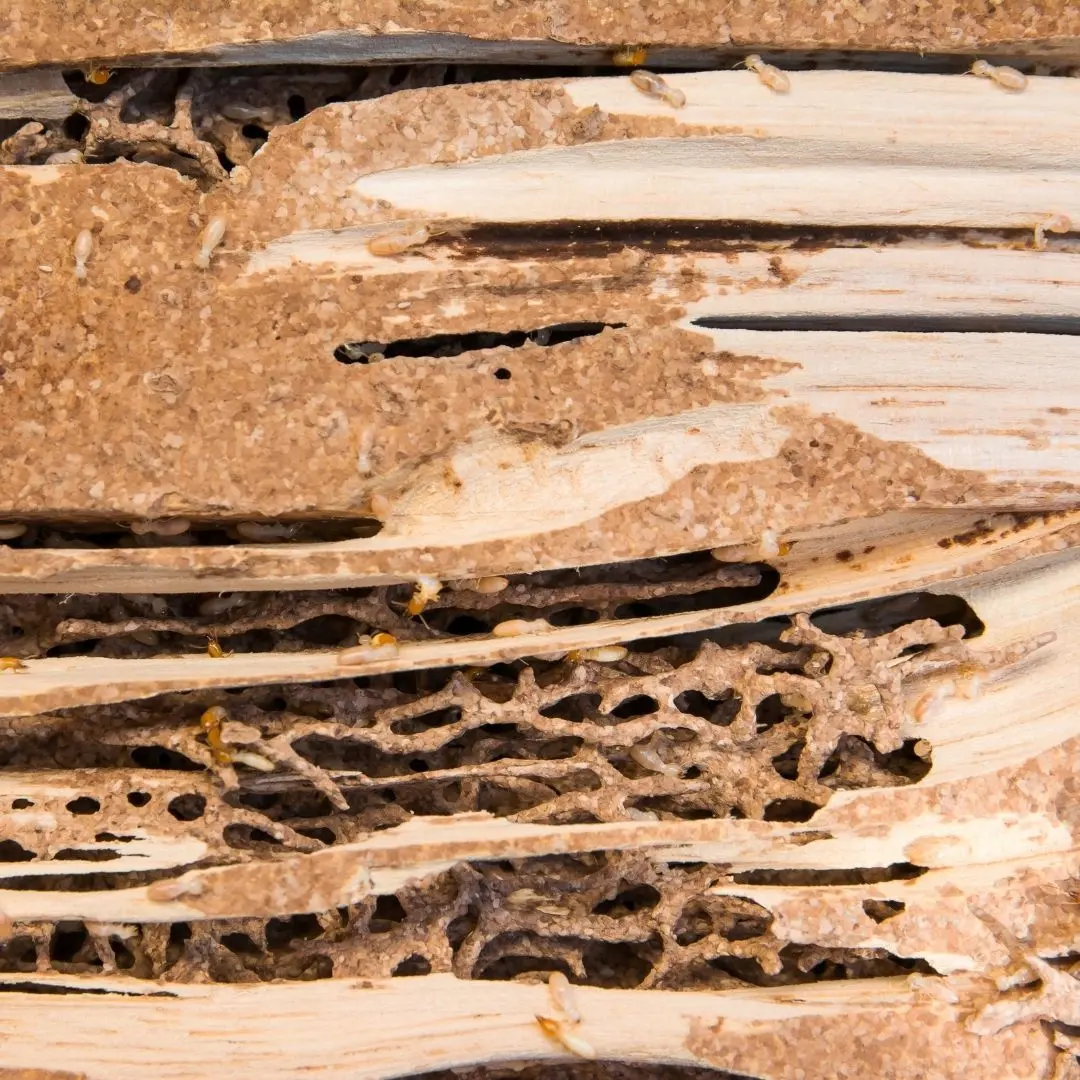
Termite extermination in Phoenix is a year-round job because our winters never get cold enough to slow these pests down. While termites in colder states go quiet for months, ours keep tunneling and feeding all year long. By the time you notice damage, the colony has usually been working behind your walls for a while.
Here is what you need to know to catch a problem early and handle it the right way.
Why Phoenix Termites Never Take a Break
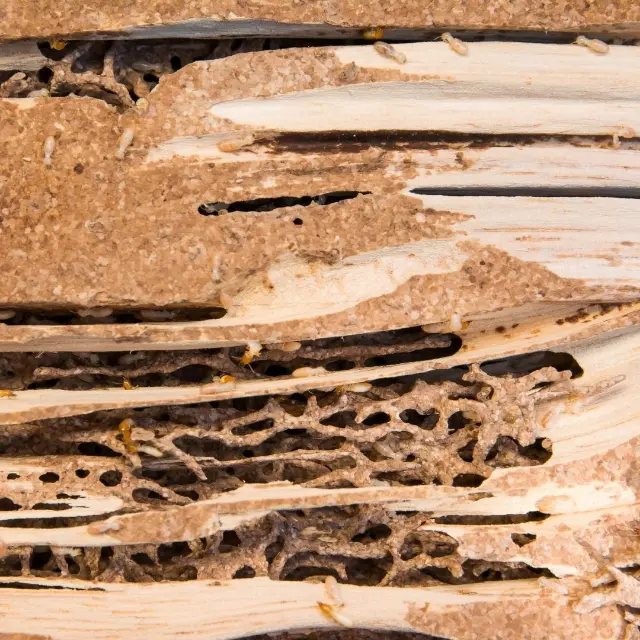
Phoenix termites stay active every month of the year because the climate never forces them into dormancy. Warm soil and mild winters let colonies keep foraging while termites in other states shut down.
Nationally, termites cause an estimated $6.8 billion in property damage each year, and standard homeowners insurance almost never covers it. So the repair bill lands on you.
Arizona also sits in one of the most active termite regions in the country. The University of Arizona Cooperative Extension notes that subterranean termites are the most common termite pest in the state. That is why professional termite extermination here focuses on prevention and early detection instead of waiting for visible damage.
How Subterranean Termites Reach Your Home
Subterranean termites reach your home through mud tubes, which are narrow tunnels they build from soil, saliva, and wood bits. These tubes run from the ground up your foundation and give them a moist, protected path straight to your framing.
They need that cover to survive. Dry desert air kills them fast, so they will not cross open ground without it. Once a tube reaches wood, though, the colony has a steady food source and no reason to stop.
You will usually find mud tubes in spots like these:
- Along exterior foundation and block walls
- Inside the garage, near the slab edge
- In crawl spaces and around utility openings
- Behind stored boxes or landscape rock touching the house
Because the colony itself lives underground, knocking a tube down solves nothing. Our guide to termite control in Gilbert, AZ walks through how proactive treatment breaks that cycle.
6 Warning Signs You Should Not Ignore
Catching termites early is the difference between a routine treatment and a structural repair. Watch for these 6 signs.
| Warning Sign | What It Usually Means |
|---|---|
| Pencil-thin mud tubes on walls or foundation | Active termites are traveling to wood |
| Hollow or papery sound when you tap wood | The inside of the board is already eaten |
| Small piles of shed wings near windows or doors | A swarm happened nearby, often indoors |
| Tiny pellets or sawdust-like debris | Feeding activity close to that surface |
| Doors or windows that suddenly stick | Wood has shifted as termites weakened it |
| Bubbling paint with no leak nearby | Moisture from termite activity underneath |
If you spot even one, call a pro instead of waiting to see whether it spreads. Better yet, a yearly termite inspection catches activity long before any of these signs appear.
Why DIY Termite Sprays Fall Short
Store-bought termite sprays and bait kits only treat what you can see, so they rarely work on a subterranean colony. The queen and most of the workers stay underground, well out of reach.
Worse, partial treatment often pushes termites to reroute their tunnels into an untreated part of your house. So instead of disappearing, the problem just moves somewhere you are not looking.
Here is how the two approaches compare.
| DIY Products | Professional Treatment | |
|---|---|---|
| Reaches the underground colony | No | Yes |
| Covers the full foundation | Rarely | Yes |
| Ongoing monitoring | No | Yes |
| Written warranty | No | Usually |
Licensed technicians apply liquid termiticide to the soil so it forms a continuous barrier around your foundation, or they install in-ground bait stations that workers carry back to the colony. Pairing that with routine residential pest control keeps the rest of your yard from becoming a staging area.
Why Fall Is a Smart Time to Schedule
Fall is one of the best times to schedule termite service in Phoenix because monsoon moisture has already soaked the soil near your foundation. That moisture pulls termites closer to the structure, which makes their activity easier to find.
Cooler weather will not slow them down, either. Colonies stay busy straight through fall and winter, so a September or October visit catches post-monsoon activity before it turns into real damage.
Consistent protection also beats one-time treatment. For a month-by-month view of what to expect, our Arizona pest control calendar breaks down which pests show up when.
FAQs About Termite Extermination in Phoenix
How do I tell termites from ants?
Look at the waist and the wings. Termites have a straight body with no pinched waist, and both pairs of wings are the same length. Ants have an obvious pinched waist and front wings that are noticeably longer than the back pair.
Can termites damage a newer home?
Yes. Age offers no protection at all. Subterranean termites go after any accessible wood, including framing in brand-new construction, so newer neighborhoods in Phoenix and Gilbert face the same risk as older ones.
How often should I have my home inspected?
Once a year works for most Phoenix homeowners. If your home has a termite history, or if you live next to open desert or heavy landscaping, more frequent monitoring makes sense.
What happens during a professional termite treatment?
It starts with a full inspection to find activity and entry points. After that, your technician either applies liquid termiticide to the soil around the foundation or installs a monitored bait system. The choice depends on how much activity is present and how your home is built.
Are termite treatments safe around kids and pets?
Professional products applied by trained technicians are designed to target termites while keeping exposure low for your family. Your technician will explain any prep work and re-entry timing before the job starts.
Protect Your Home Before the Damage Adds Up
Termite damage does not fix itself, and it gets more expensive the longer it sits. If you have seen mud tubes, hollow wood, or shed wings anywhere on your property, call Rebellion Pest Defense at (480) 758-4333 today. We protect homes across Phoenix, Gilbert, and the Greater Phoenix area.
SHARE THIS ARTICLE
Recent Posts