Termite Inspection in Phoenix: Why Annual Checks Matter
For most Phoenix-area homes, scheduling a termite inspection once a year is a practical baseline. Regular inspections can uncover concealed activity, identify conditions that attract termites, and help you act before the damage becomes more extensive.
The University of Arizona’s termite guide identifies termites as Arizona’s leading urban pest concern, with subterranean termites posing a significant risk to local properties. Rebellion Pest Defense provides professional
termite inspection and extermination services throughout Phoenix, Gilbert, and the Greater Phoenix area.
Why Are Regular Termite Inspections Important in Phoenix?
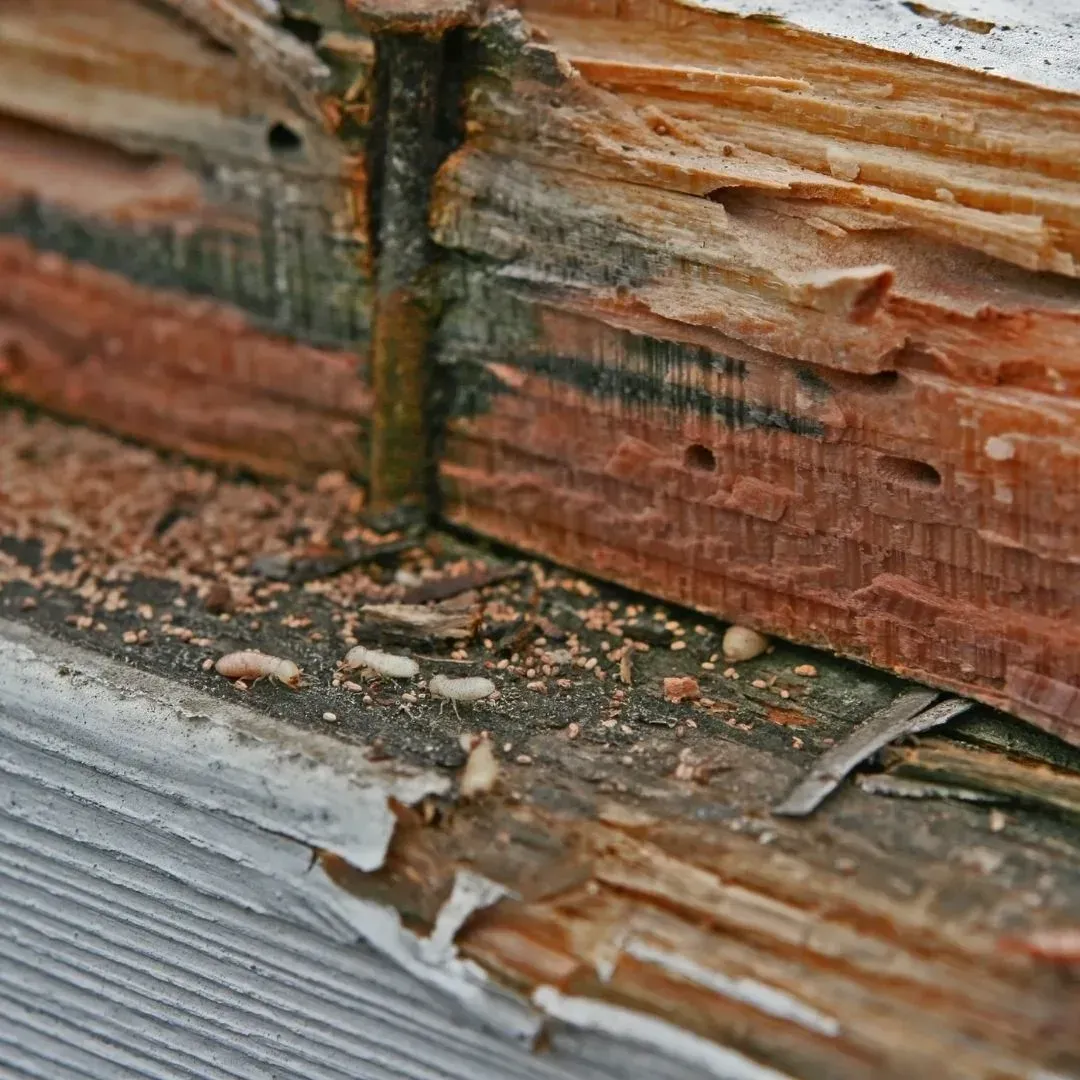
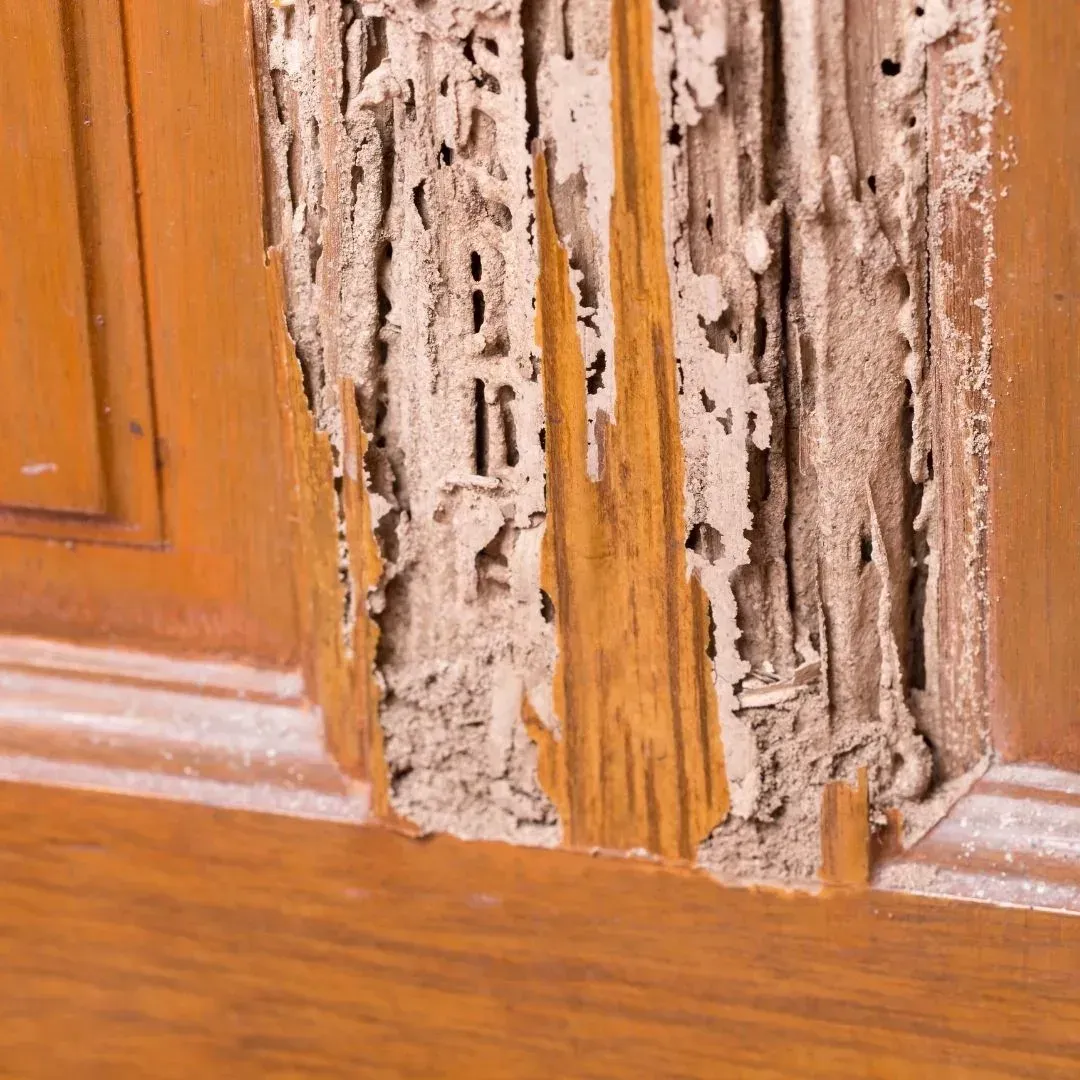
Regular inspections matter because subterranean termites live in the soil and can reach your home through concealed entry points. You may not hear them, see worker termites, or notice obvious damage while they feed inside walls or structural wood.
Phoenix’s warm climate also means homeowners should not depend on a long winter freeze to stop termite activity. Termite pressure may continue during different parts of the year, especially in protected soil beneath and around a home.
For most properties, an annual inspection provides a practical starting point. You should schedule one sooner if you see warning signs, disturb soil near the foundation, complete slab work, or have a history of termite activity.
Newer homes are not automatically safe. Landscaping changes, plumbing repairs, additions, erosion, and soil movement can disturb previously treated soil or create new access points. Termite activity can occur when treatment barriers are disrupted.
How Do Subterranean Termites Enter Phoenix Homes?
Subterranean termites can enter through foundation cracks, expansion joints, plumbing openings, and places where wood touches the ground. They may also build mud tubes across concrete, stucco, or walls to protect themselves as they travel between the soil and your home.
According to the Arizona Department of Agriculture, a foundation crack only 1/64 of an inch wide can provide concealed access for termites and other wood-destroying insects.
Common access points include:
- Cracks and joints in concrete slabs
- Gaps around plumbing and utility lines
- Garage stem walls and foundation edges
- Fences or trellises touching the home
- Firewood, cardboard, or lumber near the soil
- Damp areas caused by irrigation or poor drainage
- Patios or additions built against the original foundation
Because these entry points can be extremely small, visible damage is not a reliable early-warning system.
What Do Termite Mud Tubes Look Like?
Mud tubes are narrow, raised channels made from soil, moisture, and small pieces of material. They often appear along foundations, garage walls, plumbing openings, interior drywall, or other surfaces connecting the ground to the structure.
A tube may be about as wide as a pencil, although its shape and size can vary. Termites build these covered pathways to protect themselves from open air and dry conditions.
Finding a mud tube does not tell you how much damage has occurred, but it does mean you should arrange a professional inspection. Avoid destroying or spraying every visible tube before the appointment. Leaving some evidence in place can help the technician trace the activity and determine where the termites may be entering.
What Does a Phoenix Termite Inspection Include?
A professional inspection examines accessible areas inside and outside the property. The technician looks for visible termite evidence, previous treatment work, moisture problems, disturbed soil barriers, and conditions that may increase future risk.
| Inspection Area | What the Technician Checks |
|---|---|
| Exterior foundation | Mud tubes, cracks, soil contact, drainage, and disturbed treatment zones |
| Garage and interior | Tubes, damaged trim, hollow wood, and activity near plumbing |
| Accessible attic or roof framing, where applicable | Visible damage or termite evidence in accessible structural wood |
| Plumbing openings | Moisture, slab gaps, and concealed entry routes |
| Landscaping | Irrigation leaks, planters, wood debris, mulch, and fencing |
| Patios and additions | New slabs, expansion joints, and disturbed soil |
| Treatment records | Previous applications, warranties, and recurring activity |
A technician may not be able to inspect every area if access is blocked or unsafe. Ask which areas were inspected, which areas were inaccessible, and whether additional access is recommended.
What Are the Warning Signs of Termites?
The most recognizable warning sign is a mud tube running from the soil across a foundation, garage wall, or interior surface. Other signs may include discarded wings, damaged trim, blistered surfaces, and wood that sounds hollow when tapped.
Arrange an inspection when you notice:
- Pencil-width mud tubes on concrete, stucco, or drywall
- Winged termites or discarded wings near windows and doors
- Soft, hollow, or damaged wood
- Bubbling paint or surfaces that resemble water damage
- Termites in fencing, stumps, cardboard, or lumber near the home
- New evidence after a previous termite treatment
Termites often remain concealed inside wood, soil, and protected tunnels. That is why you should not wait until you see major structural damage before calling a professional.
For additional local guidance, read our article about
termite control in Gilbert and proactive prevention.
What Can Happen If You Skip an Inspection?
Skipping inspections gives concealed termite activity more time to spread. An early inspection cannot guarantee that repairs will be avoided, but it can increase the chance of finding a localized problem before it becomes a larger treatment and repair project.
The U.S. Environmental Protection Agency reports that termites cause billions of dollars in structural damage each year in the United States. Property owners also spend more than $2 billion annually on termite treatment.
The cost for an individual Phoenix home will depend on several factors:
- The location and extent of the activity
- The home’s construction
- Areas that are difficult to access
- Previous termite treatments
- The recommended treatment method
- Whether structural repairs are needed
Homeowners insurance may not cover the damage. The National Association of Insurance Commissioners notes that damage caused by termites and other infestations is not typically covered by standard homeowners policies. Review your own policy and exclusions with your insurer.
When Should You Schedule an Inspection Sooner?
Schedule an inspection promptly if you see mud tubes, swarmers, damaged wood, or recurring evidence. You should also arrange one after work that changes the slab, soil, drainage, or foundation area.
Book an inspection after:
- A plumbing repair that cuts or drills through the slab
- A patio, room addition, garage, or concrete project
- Landscaping that raises soil or mulch against the home
- Irrigation leaks or repeated pooling near the foundation
- Purchasing a home with an unclear termite history
- A termite warranty or monitoring agreement expires
- Discovering termite evidence on nearby fencing or wood debris
Termites are only one part of year-round desert pest pressure. Our
Gilbert homeowner’s guide to year-round pest control explains how landscaping, moisture, and seasonal conditions affect local pests. You can also use our
Arizona pest control calendar to plan preventive maintenance throughout the year.
What Happens If an Inspector Finds Termites?
If an inspector finds termite evidence, you should receive a recommendation based on the property, entry points, construction, and location of the activity. The right approach may include liquid soil treatment, targeted drilling and injection, baiting, wood treatment, monitoring, or a combination of methods.
There is no single treatment method that is right for every property. Ask the technician to explain:
- Where termite evidence was found
- Which areas could not be inspected
- What treatment method is recommended
- Whether drilling or trenching is needed
- How the treatment addresses concealed activity
- What follow-up service is included
- Which moisture or landscaping conditions you should correct
- Whether a warranty or ongoing monitoring plan is available
Rebellion Pest Defense also provides
general pest control and maintenance for broader residential protection. Business owners and property managers can explore our
commercial pest control services for offices, warehouses, retail properties, and other facilities.
How Can You Reduce Termite Risk Between Inspections?
You can reduce termite risk by controlling moisture and keeping wood, cardboard, and other cellulose materials away from the foundation. These steps do not replace professional inspections or treatment, but they can make your property less attractive to termites and keep warning signs easier to spot.
Use this regular prevention checklist:
- Repair leaking faucets, pipes, and irrigation lines
- Direct water away from the foundation
- Keep soil, mulch, and planters below the stucco or siding line
- Move firewood, cardboard, and lumber away from the home
- Prevent fencing and trellises from touching the structure
- Remove dead roots, stumps, and construction debris
- Keep part of the foundation visible for inspection
- Check garage walls and exterior foundations for mud tubes
- Save inspection, treatment, and warranty records
During active watering seasons,
check irrigation lines, damp soil, and visible foundation areas at least monthly. Larger projects, such as changing mulch height or removing roots, can be completed as conditions require.
FAQs About Annual Termite Inspection
How often should I get a termite inspection in Phoenix?
For most Phoenix-area homes, scheduling an inspection once a year is a practical baseline. Arrange one sooner if you find mud tubes or swarmers, disturb soil near the foundation, complete slab work, or have previous termite activity.
How long does a termite inspection take?
The time depends on the home’s size, construction, accessibility, and potential problem areas. A straightforward inspection may take about an hour, while larger homes, additions, attics, and blocked areas may require more time.
Can I inspect my home for termites myself?
You can look for mud tubes, discarded wings, damaged wood, leaks, and wood-to-soil contact. A professional inspection is still valuable because termite activity and entry routes may remain concealed.
Can store-bought products eliminate termites?
Surface products may kill termites you can see, but they may not reach concealed entry points, treated soil zones, or underground activity. A professional can recommend a method based on your home’s construction, soil conditions, treatment history, and inspection findings.
Does homeowners insurance cover termite damage?
Termite and infestation damage is not typically covered by standard homeowners insurance because insurers often classify it as a preventable maintenance issue. Coverage varies, so confirm the exclusions and requirements in your own policy.
Schedule a Termite Inspection in Phoenix
You should not wait for visible structural damage to find out whether termites are active around your home. A regular termite inspection gives you a better chance of identifying concealed activity, vulnerable entry points, and moisture conditions before the problem becomes more difficult to manage.
Rebellion Pest Defense serves homes and businesses throughout
Phoenix, Gilbert, and the Greater Phoenix area. Call
480-758-4333 to schedule a termite inspection and discuss a prevention or treatment plan for your property.
SHARE THIS ARTICLE
Recent Posts